Conduct, culture & risk

Written by Graham Browning · 12 June 2026
The courage to see clearly
Today would have been Anne Frank's birthday.
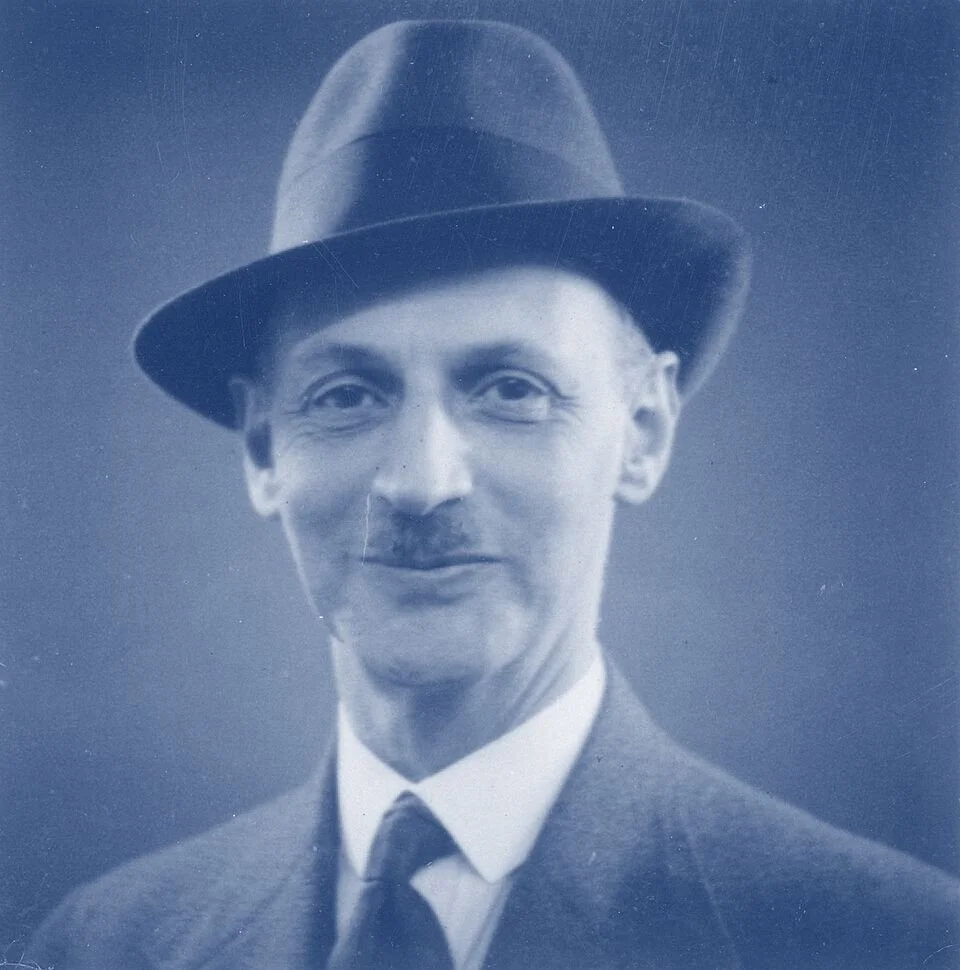
I did not first encounter her through her diary, but through her father, Otto, when he appeared on Blue Peter when I was young.
He is one of my heroes.
One of the things I admire about him is that he saw what others could not, or did not want to, see.
When Hitler took control of Germany in 1933, the threat was so unimaginable that some of Otto's friends struggled to see it for what it was. He was at a friend's house when it came on the news that Hitler had become Chancellor, with crowds cheering the Stormtroopers' parade, torches in hand.
His host received this news in good spirits, saying:
"Why don't we just see what the man can do? Give him a chance."
Otto Frank's reaction was the opposite.
He later recalled that he and Edith, his wife, sat "as if turned to stone."
Amid rising antisemitism, he recognised the dangers of the way things were heading.
He had previously moved home after the landlord became sympathetic to Nazi ideology. Now, he took more decisive action.
He moved his family out of Frankfurt. Out of his homeland, which he had served with distinction during the First World War. Then he built a new life in the Netherlands for Edith and little Margot and Anne.
When circumstances deteriorated further, he prepared the annex that he hoped would keep his family and others safe. And for more than two years, it did.
After the war, despite inconceivable loss, he devoted himself to publishing Anne's diary, despite its intensely personal nature and despite the fact that it revealed aspects of his youngest daughter's inner life that led him to conclude that:
"Most parents don't know, really, their children."
We would probably never have heard of Anne Frank if he had kept the diary to himself.
Immense courage, and a willingness to face uncomfortable realities early, to act on them and to keep acting when it becomes difficult.
Most of us will never face circumstances remotely comparable to those Otto Frank faced.
Yet discrimination, hatred, scapegoating, and persecution have hardly been confined to history.
His example is a shining reminder that foresight is not simply about seeing what others miss.
It is about being prepared to act when others are still saying:
"Let's wait and see."
Because some things can be clear enough without waiting to see how they play out.